By: Bec Harris
If you’ve ever wondered “what is Pilates?” and whether it’s right for you, you’re not alone. For many people, getting fit can feel intimidating.
Read more: Pilates: What It Really Is and Why It Might Be What You Need
Movement isn’t always about chasing personal bests or pushing through intense workouts. Instead, it’s about feeling comfortable and confident in your body again – especially after injury, chronic pain, busy seasons, or long breaks from exercise.
That’s why Pilates for beginners, injury recovery, and gentle strength training so often come up in conversation. However, despite its popularity, Pilates is still widely misunderstood.
Physiotherapist Melanie Cauliffe explains what Pilates really is, where it came from, and how it can support people returning to movement – not just elite athletes or dancers. “Pilates was originally designed for people recovering from injury” says Mel.
It Didn’t Start as a Fitness Trend
Although Pilates is often associated with boutique studios and reformer classes, it didn’t begin as a trendy workout.
Joseph Pilates developed the method in the early 20th century. Originally, he used controlled, repetitive movements to help people rehabilitate from injury. He even designed spring-based resistance systems so bed-bound patients could strengthen their bodies safely.
That early equipment later evolved into what we now know as the Pilates reformer.
From there, Pilates moved into the dance community and eventually into mainstream fitness. Yet at its core, it has always focused on:
- Controlled movement
- Core strength
- Alignment and posture
- Functional, everyday movement
In other words, Pilates builds strength without encouraging you to push through pain or burn out.
Classical, Contemporary and Clinical: What’s the Difference?
One reason Pilates can feel confusing is that not all classes are the same.
Classical Pilates
This follows the original sequence of exercises created by Joseph Pilates. Instructors stick closely to the traditional order and structure.
Contemporary Pilates
This version allows instructors more flexibility. They design classes with flow, variation and modern movement science in mind.
Clinical Pilates
Clinical Pilates, however, integrates physiotherapy principles. This approach often suits people recovering from injury or managing pain.
Mel highlighted an important difference in how instructors treat the spine. Instead of flattening the lower back into the floor – a cue many of us grew up hearing – clinical Pilates encourages a neutral spine.
Why does that matter?
Because strengthening your body in its natural alignment helps translate that strength into daily life. Standing, lifting, walking and sitting all rely on neutral positioning. Therefore, training this way supports real-world movement, not just mat exercises.
Mat vs Reformer: Which Is Better?
Another common question is whether mat Pilates or reformer Pilates is better.
The honest answer? They serve different purposes.
Mat Pilates
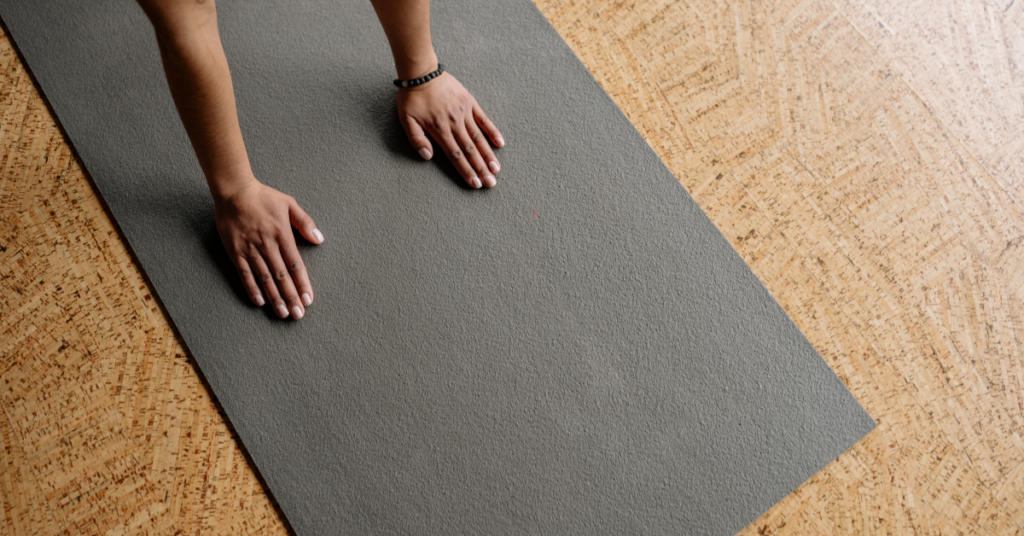
Mat Pilates uses your body weight and gravity for resistance. As a result, your core, posture and control remain constantly engaged.
Although it looks simple, mat work can be surprisingly challenging. You can’t rely on equipment for support, which makes it highly effective for building stability and strength.
Reformer Pilates
Reformer Pilates uses a spring-loaded carriage that guides movement. The adjustable resistance supports the body while still providing challenge.
Because of this support, reformer classes often suit people:
- Returning after injury
- Managing joint limitations
- Experiencing back or hip pain
- Rebuilding strength gradually
Ultimately, it’s not about which option is “better.” Instead, you need to ask yourself: What does my body need right now?
It Isn’t About Competition
One of the most reassuring takeaways from the conversation was this simple truth:
Pilates is you against you.
You don’t need to keep up with the person next to you. You don’t need to prove anything. And you definitely shouldn’t ignore pain.
In fact, Mel offered this important reminder: if something feels wrong, don’t do it. Even self-imposed pressure can lead to injury if you override your body’s signals.
That’s why proper guidance matters, especially when returning to exercise after injury. Learning safe posture, recognising what “good effort” feels like, and progressing gradually can protect your body long-term.
Movement Doesn’t Have to Be Extreme to Be Effective
Whether you choose Pilates, walking, swimming or another low-impact exercise, remember this: fitness is not one-size-fits-all.
Strength, endurance and cardiovascular health are different aspects of overall wellbeing. However, you can build all three through consistent, sustainable movement. In fact, consistency matters more than intensity.
As Mel says “Turning up is the hardest thing – and it’s already a big win.”
If 2026 is the year you want to move again, Pilates may not be about doing more. Instead, it might be about learning how to move better – with control, confidence and kindness toward your body.
Article supplied with thanks to Sonshine.
Feature image: Canva